RAF Upottery
AIRFIELD HISTORY
Background
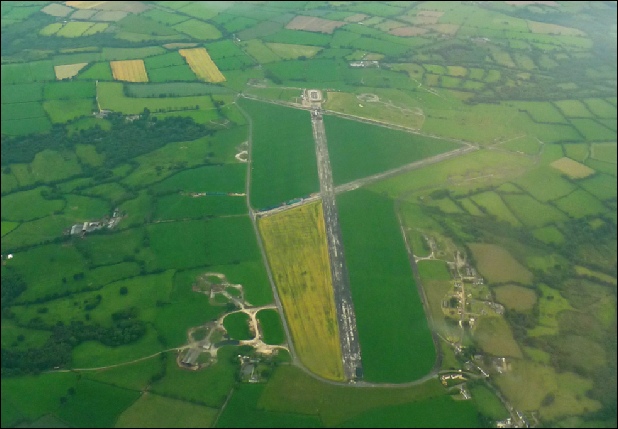
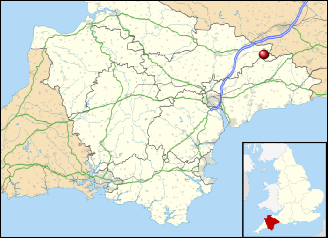
Located on the plateau of high ground immediately west of Smeatharpe and often referred to by that name locally, this airfield was officially known as RAF Upottery, as Smeatharpe lies within the overall Parish boundary of Upottery.
Built as a standard RAF Class ‘A’ bomber base, the site was one of those developed at a comparatively late date during the second world war and was originally selected as being suitable for use by the Americans under the “Bolero” scheme in the Autumn of 1942.
Operation Bolero the commonly used reference and the code name of the United States military troop build up in the United Kingdom during World War II, in preparation for the initial cross-channel invasion plan, originally known as Operation Roundup. Later to become Overlord.
Under the scheme proposed by the General the U.S. Army Air Forces, H. (Hap) Arnold, to General C. Marshall, the US. Army Chief of Staff, on April 12, 1942, the British Government would build and provide airfields for use by the USAAF. Who in turn would supply the men, equipment, and Aircraft.
Upottery was one of the fifty new airfields that were built under this scheme, 36 constructed by the Air Ministry, with the remainder built by the American Engineer Battalions.
Upon completion the site was placed in No. 70 Group Army Cooperation Command, for development to house USAAF medium bomber units as plans were already being prepared by the Americans for the assembly of a huge fleet of transport aircraft in England for the eventual invasion of Europe.
Upottery was one of several airfield sites in western England which was earmarked to house a large force of Dakotas and Gliders for the forthcoming invasion.
Land Requisition
The bulk of the land was owned by Lord Sidmouth, right, (198 acres): tenants included ;
Mr. White (Valentines Farm),
Mr Spiller (Chapplehaye Farm),
Mr Stevens (Buckshaye Farm),
Mr Rollend (Moonhaye Farm),
Mr Woollacott (Bloomers Farm).
However land was also requisitioned from Mr Sanders at Gotleigh Farm, 90 acres, Mr Joe Venn, 45 acres who leased the land to Mr Pike of Middleton Barton Farm. Eleven dispersed Domestic Sites were established on land leased by Upper Southey Farm, Lower Southey Farm and Cockhayes Farm. The requisitioned land was paid for by the Air Ministry in 1948 at 1939 prices ! and the land was not sold back until 1963. The most northern site (apart from the site at Stapley) was a High Frequency Transmitting Station.
Layout
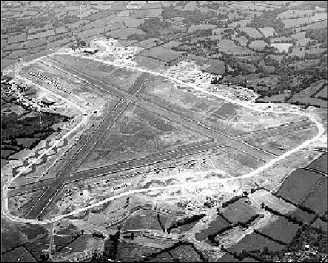
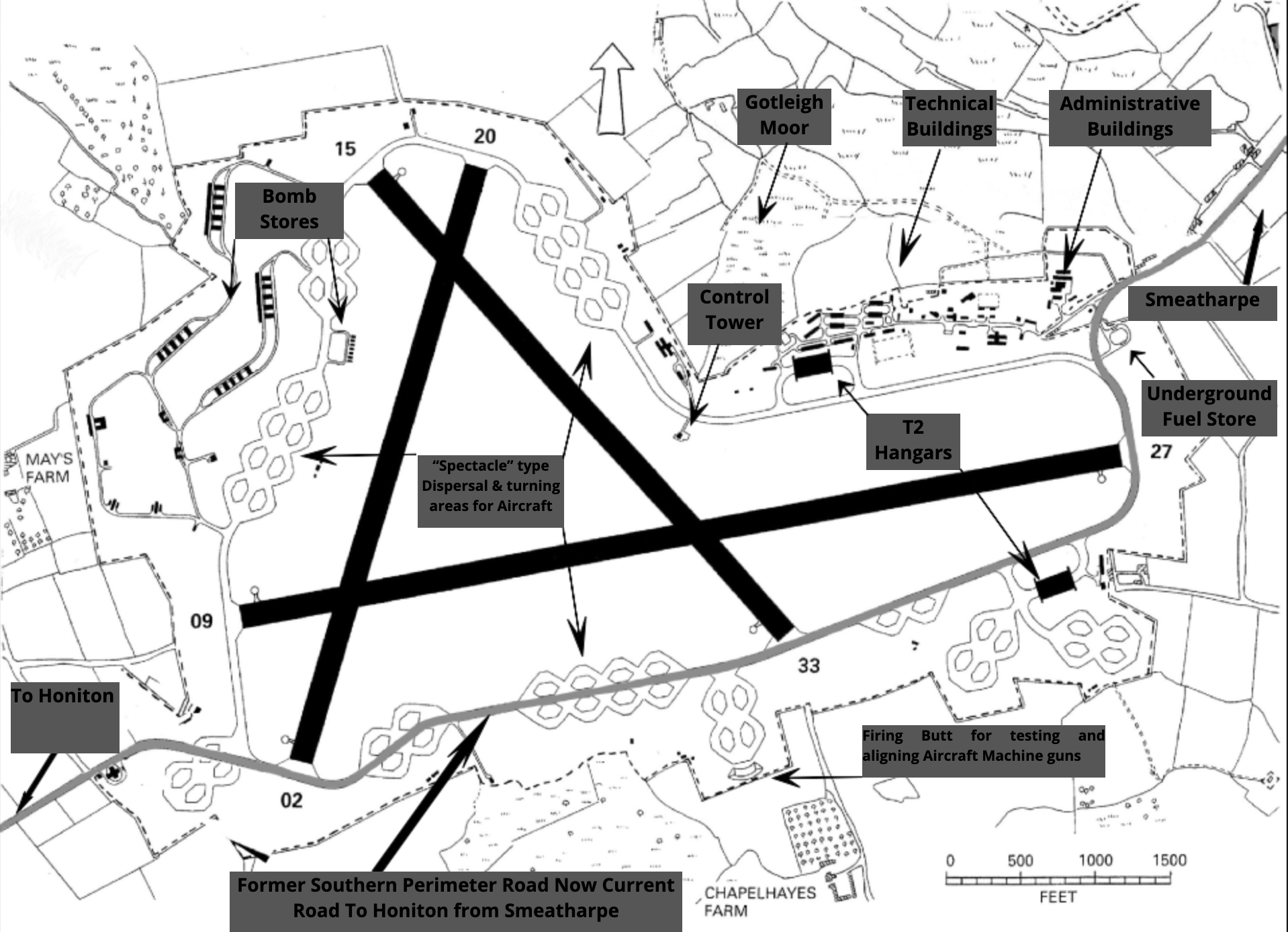
Because of higher priorities elsewhere, construction did not begin in earnest until early 1943, with the result that the layout and facilities followed the patterns which had become standardised by this stage of the war. A particularly prominent example of this was the layout of the aircraft hardstandings, which were all of the more convenient and flexible “Spectacle” type.
These became the standard dispersal and marshalling provision on bomber stations, this was in contrast to those at nearby Dunkeswell which were predominantly of the “Frying Pan” type. Built to the operational RAF standard of “Class A” with three strips at near 60 degrees to each other, the main strip being 2,000 yards by 200 yards, and the two subsidiary strips 1,400 yards by 200 yards.
The main runway was 2,000 yards by 50 yards on a heading of 270 degrees and both subsidiaries were 1,400 yards by 50 yards on headings of 210 and 330 degrees.
All runways had 100 yards cleared at both ends for overshoot.
A perimeter track was provided of the standard 50 feet width along with 50 hardstandings.
All roads into Smeatharpe were closed and either sentry or picket posts erected.
With local inhabitants being given passes to enter the Area
Interestingly a sentry post has been preserved at the road junction close to Moonhayes Farm and is now a memorial to all those who flew from the airfield and who paid the ultimate sacrifice (See Picture Above right)
In line with the current policy that all wartime airfields should be built to be interchangeable, a standard Bomb Stores were provided in the area adjacent to the north-west comer of the landing ground. Although this was not required by the USAAF airborne forces units, which were based here first. However it made Upottery suitable to house USN Liberator squadrons later on when relief was required for nearby Dunkeswell.
The late construction also meant that certain structures such as the Turret Instructional Building, air-raid shelters on the Domestic Sites, and some blast shelters on the airfield, and a Battle Headquarters were not built (Mainly because the threat of an invasion had by this time. ceased).
Although there was an Air Ministry Bombing Teacher and Link Trainer. The usual pair of ‘T2’ aircraft hangars were erected, one as part of the Technical Site complex of buildings on the north-east side, and the second comparatively close by on the opposite side of the main runway. The third hangar type ‘B1’ hangar normally for the repair of damaged aircraft – was not erected here as the airfield was built for the USAAF.
Summary
Location Smeatharpe, Nr Honiton, Devon Opened 1944
In use 1944 to 1945
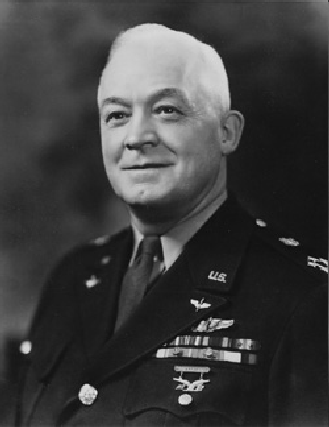
Gen Henry H (Hap). Arnold,
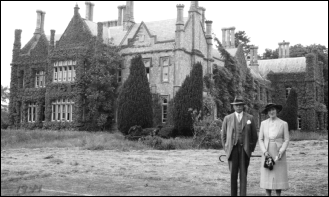
Lord and Lady Sidmouth on the 18 June, 1944:
This photograph was taken by Lt. Colonel Young commanding officer of the 439th Troop carrier group who commanded the Airfield after he and Major Morton had been invited to take afternoon tea at Upottery Manor following their D day Mission.
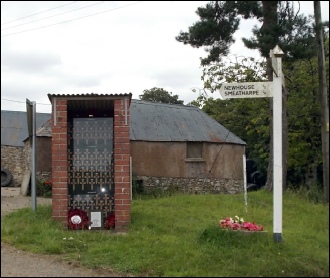
The original sentry Box at Moonhayes farm & the SWAHT Memorial located in the Box
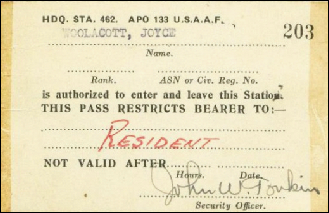
Copy of a pass issued to local civilians
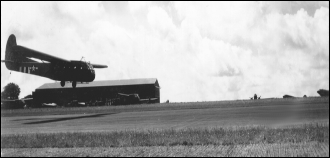
A Waco Glider (Pronounced WAR–CO) lands from a practice release in front of the North East T2 Hangar
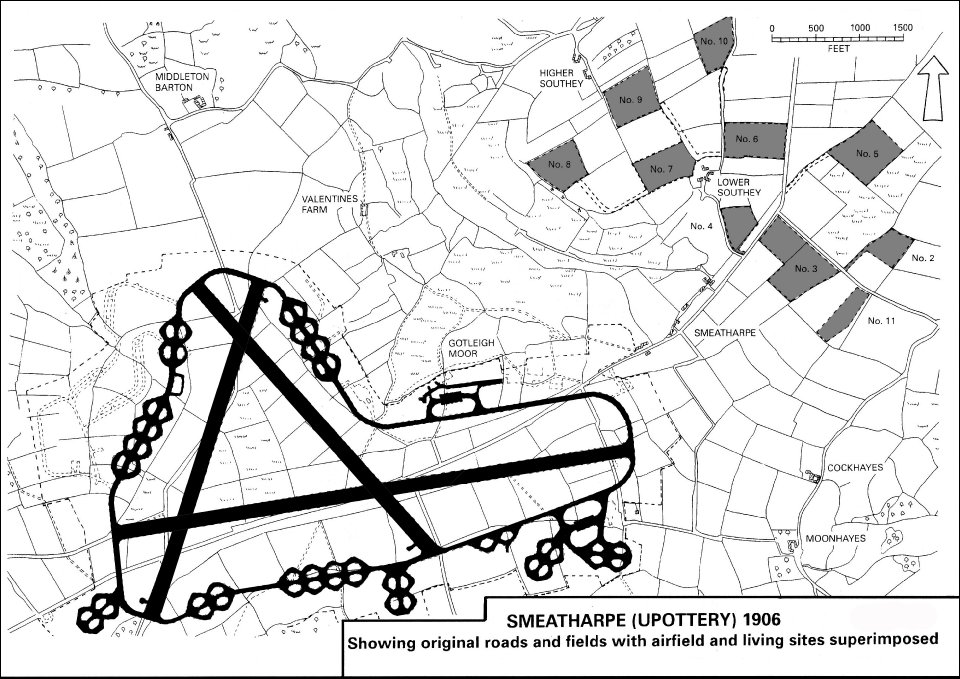
As one can see the Airfield was built over the main road from Smeatharpe to Honiton with local traffic being diverted. Domestic and Administrative sites being located in fields to the North East of the Airfield in case of air raids . Following requisition of the land the contract to build the Airfield was handed over to George Wimpey and Co
George Wimpey and Co
Wimpey the forerunner to Taylor Wimpey the National House builder and Civil Engineering Contractor was founded in 1880 as a local building company in London. Up until the advent of the 1914 -18 World War, it had successfully spread its activities into and well beyond the Greater London Area.
Then following the first world war, established itself not only as a national household name in the field of house building, but also in civil engineering, carrying out road, tramway and bridge construction. It also developed the modern highway, which at that time consisted of reinforced concrete foundations, wood paving, granite setts and asphalt surfacing. Making it an ideal contractor for the country’s needs during the Second World War.
When the Second world war came, the British Government established committees comprising Wimpey, Laing, Mowlem and McAlpine. These were the country’s largest civil engineering contractors and had the resources to undertake major projects and could also advise the Government on what was possible when it came to specific projects.
As a result the government incorporated these companies into the Royal Engineers as operational army units ! The War Department theory being that the men would make a more effective team working with their current colleagues.
The Wimpey unit became the“Wimpey” 680 General Construction Company, Royal Engineers.was lead by Major Little, with Captain Magnus Pearce as second in command. Apart from half a dozen pivot people such as the Sergeant Major and the Quartermaster, they were all Wimpey men, almost three hundred with additional labour being drawn from the ministry of Labour pool to work on specific projects
Such was the governments confidence in the company, that Wimpey’s had been sent to France as part of the British expeditionary force and following the initial battle for France and defeat of the BEF, had acted as one of the rear guard in the Dunkirk Evacuation. Helping to organise the evacuation itself.
With the onset of hostilities the Government’s main requirement was for aerodromes, of which Wimpey built 93
Already in 1936 Wimpey had secured work for the Air Ministry, which led to a contract for a full air station at Great Rissington in Oxfordshire.
This meant the construction of runways, buildings and hardstandings on this and many other airfields.
In addition, Wimpey built air raid shelters for Aircraft as well as people. Gun emplacements for anti-aircraft defence, concrete pill boxes, underground tunnels for ammunition storage and underground oil storage facilities. One of them being the largest concrete structure in the country at that time
In 1938 Wimpey then secured the contracts for seven more airfields, which included Tangmere, Biggin Hill, Northolt, and Leuchars in Scotland and acres of concrete were laid, giving hard surfaces for the aircraft that were available at that time.
As heavier and larger bombers, such as the Lancaster, became available, Wimpey were called upon to strengthen these runways with either an overlay of tarmacadam or an additional thickness of concrete as need dictated, which meant that from 1941, new airfields including Upottery had runways eight inches thick!
Much of the equipment Wimpey used was imported from America (See Picture) and at the time was new to the UK. These were machines such as bull-dozers, graders, mixers and pavers, which were made by companies such as Caterpillar and Barber Greene.
Early in the war, a Wimpey team building Lulsgate airfield (now Bristol airport) were on site very early when they heard an Aircraft approaching and assumed it was one of the RAF’s returning home.
A twin-engined bomber landed nearby, and out stepped four aircrew. When the Wimpey personnel realised it wasn’t an RAF plane at all, but a Nazi bomber, they charged across, without hesitation, and arrested the crew. Apparently, it transpired that the Germans had been on a bombing mission to the North of England, had lost their way back and thought they had landed in France. The plane was intact and was thereafter used by the RAF.
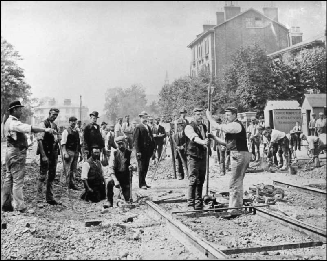
1898 – Goldhawk Road, London, Tramway Construction George Wimpey in middle of the Photograph.
Source www. brackenburyresidents.co.uk/historic-pictures
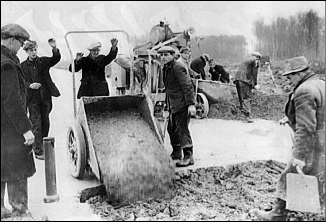
Construction workers working on a section of perimeter road, (Not Upottery)
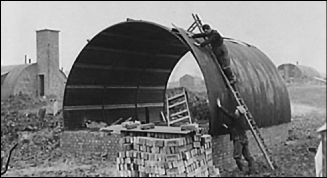
Above, Workers construct a Nissen Hut (Not Upottery)
For more information on Nissen Huts Go to
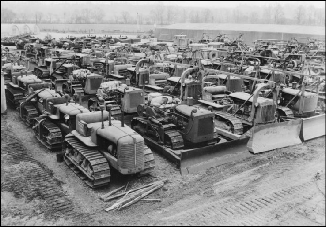
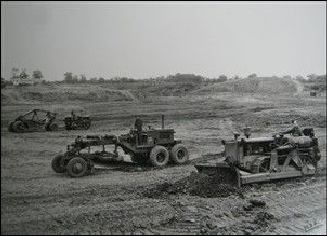
A Typical pool of construction equipment similar to that used to build the Airfield and below plant levelling a new airfield
(Not Upottery)
Upottery Airfield Elevation 835 feet Above Sea Level
Although the Airfield its self was just inside the Devon boundary The proximity of the county boundary meant all the domestic sites were situated in Somerset. The nearest town and railway station was Honiton, some six miles to the south, whilst Taunton lay nine miles away in the opposite direction.
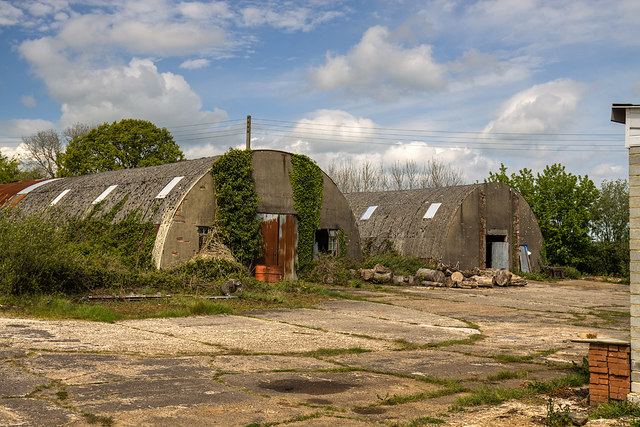
Buildings were mainly a mixture of temporary brick and Ministry of Works Nissen huts, with specialist buildings in the form of Ministry of War Romney and Uni-Seco hutting.
Construction
Upottery was built at a cost £1,200, 000 and was opened on February 17th 1944.
Once the decision had been made to build the Airfield. The first stage was to conduct a preliminary survey of the proposed site. This was carried out by the Air Ministry Directorate General of Works stationed at the AMDGW Area office at Taunton.
The survey not only covered the where the Airfield would be built but also all areas where it was proposed to house the Domestic Sites. This information was then noted down in a field book and when completed was posted to the Air Ministry in London. Then the surveyor moved on to another site.
From this initial survey, a six inch plan was prepared showing the selected runway directions and copies sent to the civil engineering and mechanical and electrical divisions within the branch for preliminary information. Soon, the site was formally accepted as being suitable, and the type of construction decided upon. This information was then circulated to all sections and was the signal for co-ordinated action. A surveyor was dispatched to the site and the planning section prepared a schedule of buildings and drawing numbers appropriate to the function of the establishment.
A reconnaissance of the site was then carried out by experts on drainage, water supply, electrical sections and sewage disposal works. The results from this formed the fixed and firm basis for the planning of the station. The siting of the domestic and technical areas was governed by the direction and approach of runways and were deliberately sited some distance away from the Airfield in case of an Air Attack.
Most of the construction force were Irishmen and part of the Ministry of Works pool of labour. Many of these men, followed Wimpey’s around the country from Airfield to Airfield and some transferred over from the construction of Dunkeswell, some 6 to 7 miles away after it was completed in June 1943.
Like all Airfields the first job was to erect a temporary timber camp for the workers, this was undertaken by a local builder, a Mr Harris on Gotleigh Moor, close to the ruins of Gotleigh Farm which had burned down in 1942. and to the north of the Airfield.
Ash, Beech & Oak trees were cleared from the site using this Fordson standard (See Picture to the Right) with a power winch, which was used to drag and load trees on the timber carriage to Bromfield sawmills in Smeatharpe
Here they were cut up into useful lengths using a Marshall of Gainsborough Traction Engine to power a belt-driven saw. The timber was then used by the main contractor – George Wimpey and Co. Ltd in the building of the aerodrome
A water supply was established from the springs on Gotleigh Moor and pumped to the airfield and Domestic Sites.
The hardcore required for the runways and perimeter track was brought to the site by both Wimpey and Jimmy Treble dumper type lorries.
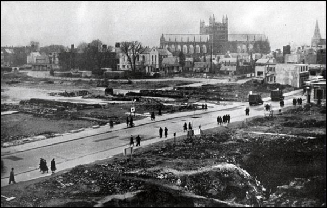
They carried mainly slate waste, Quarry waste from Westleigh Quarries as well as a mixture of broken concrete and brick, reputedly from bombed buildings in Exeter following the raids on in April and May 1942. As well as this Shingle from Seatown which was used as aggregate for the concrete runways and perimeter track.
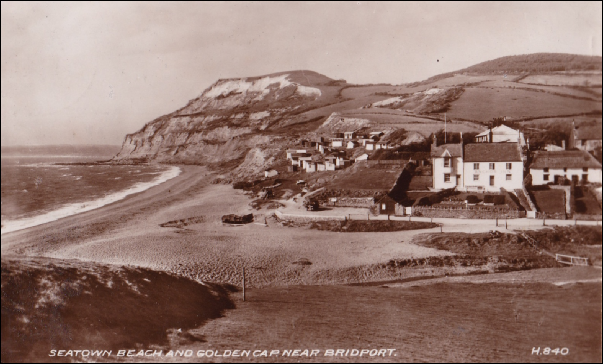
The Anchor Inn at Sea Town in 1943 near West Bay, Bridport, Dorset. Lorries drove on to the shingle beach to be loaded . If you look closely you will see what appears to be some equipment and evidence of where the aggregate was extracted. Following the lorries being loaded they were then sent to the Airfield using a one way system through the town. Vehicles operated 24 hours a day 7 days a week !
High grade concrete was laid to a depth of six inches and then a thin carpet of tarmac sprayed on top. Separated by an expansion joint from either side of the runway and perimeter track, was a strip of concrete containing the drainage system and airfield lighting.
Buildings
Sketch plans were prepared showing sites of barrack huts, domestic communal buildings and technical accommodation. The majority of large buildings and domestic accommodation were Nissen Huts of various sizes with the technical buildings being constructed in single brick walls with corrugated asbestos roofs In addition there were specialist buildings in the form of Ministry of works Romney and Uni-Seco hutting.
Nissen Huts had been invented by Major Peter Norman Nissen of the 29th Company Royal Engineers of the British Army in the first world war A Nissen hut was made from a sheet of metal bent into half a cylinder and planted in the ground with its axis horizontal attached to wooden purlins that are in turn attached to eight T-shaped ribs Windows and doors could be added to the sides by creating a dormer form by adding a frame to take the upper piece of corrugated iron and replacing the lower piece with a suitable frame for a door or window
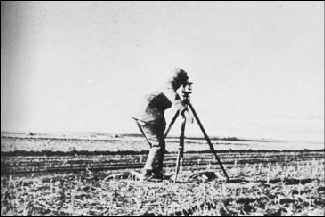
A Surveyor checking levels – Similar to the work that would have been undertaken at Upottery
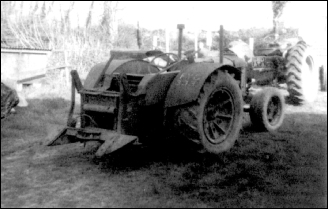
The Fordson Standard used to take Trees to Bromfield sawmills in Smeatharpe Picture by Kind permission of John Cornish
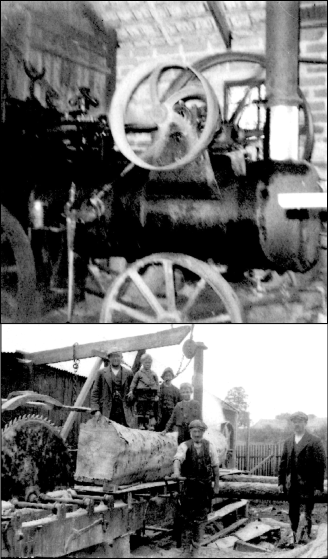
This Marshall of Gainsborough portable traction engine and the belt driven saw used to cut up trees from the Airfield for use in the building of the Airfield. Standing on the Saw Bench is Arthur, Peter, Sam and Ben Bromfield with James Smith holding the crank handle and SJ Berry to the right. Photographs by Kind permission of John Cornish.
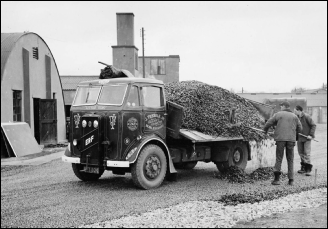
A Jimmy Treble lorry delivering tarmac to Dunkeswell in 1944. It is more than likely that this vehicle was also used to bring hardcore to the site
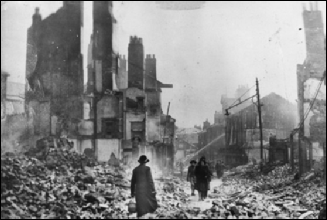
Exeter following the bombing and below after the rubble had been cleared
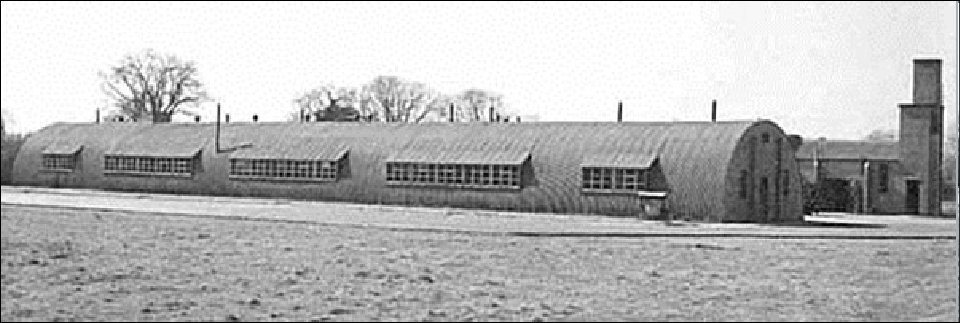
24ft wide Nissen Hut used for administration activities, these were built in various lengths, as required
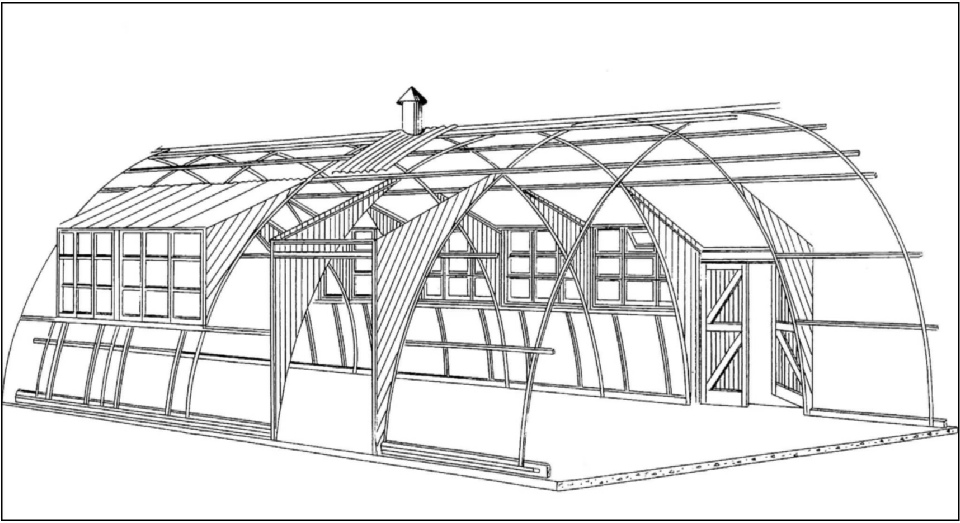
Semi-circular in Section, 24ft Wide and Erected in 6ft Wide Bays. Steel T Shaped Ribs in Five Sections. Timber Purlins Supported 24-gauge Corrugated Iron Sheeting. Internal Lining of Fibre board sheeting. Natural lighting achieved with dormer-type windows.
Officers Dining Room
Click above and to the side for link
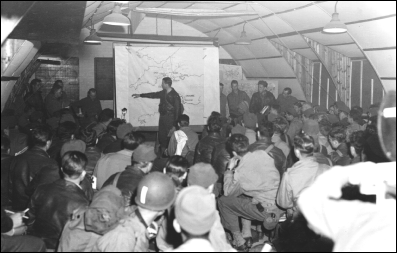
This picture shows a typical use for such a building. Here Lt. Col. Charles H Young is at a map discussing the Channel weather during a briefing, prior to take-off, 5th June, 1944
Domestic Accommodation
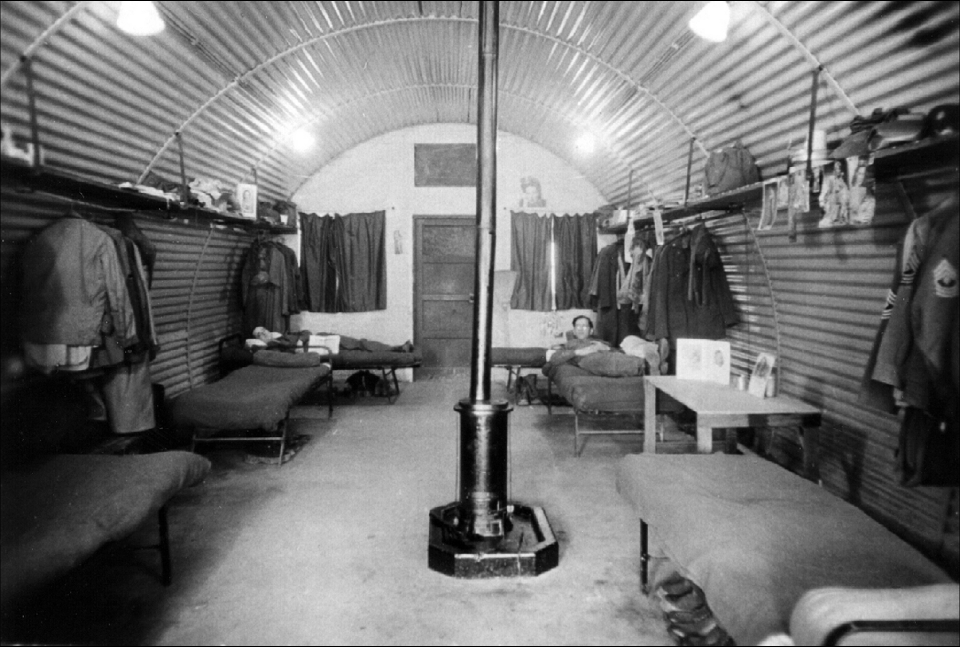
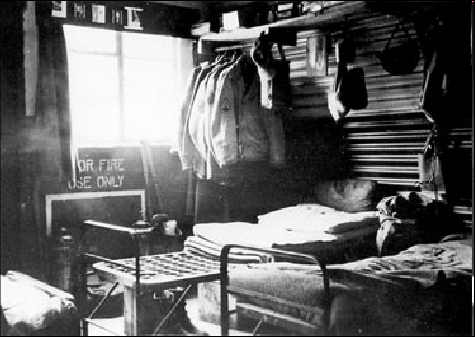
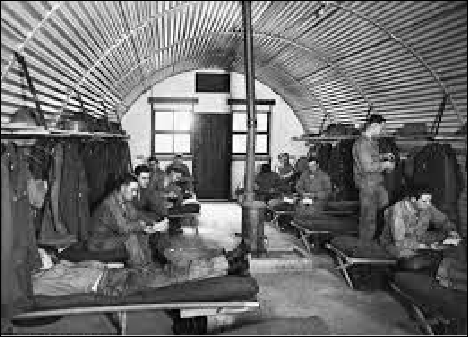
Domestic Accommodation consisted mainly of single wall temporary brick buildings and mainly Nissen Huts (similar to the on the right).Layouts for Accommodation varied but units normally housed up to 6 to 8 people Accommodation was Spartan with a coke stove the only form of heating. Washing and toilet facilities were in special blocks for different ranks Each man was issued with 2 blankets
Personnel were housed in a series of living sites scattered over the area to the north-east. The proximity of the county boundary meant these were situated in Somerset, although the whole of the airfield was in Devon.
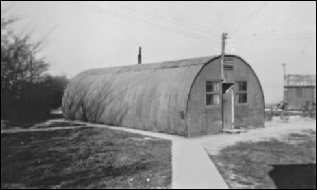
A typical example of a Nissen Hut, for personnel accommodation. This one was at RAF Ramsbury, Wiltshire but was the same size and type as used at Upottery.
A typical Accommodation layout, clearly posed, this picture and the two below, appear to be taken in an American Quonset Huts at USAAF base somewhere in England. Not Upottery. While slightly different from Nissen Huts these pictures illustrate how the service men and women lived and would have been the same as Upottery.
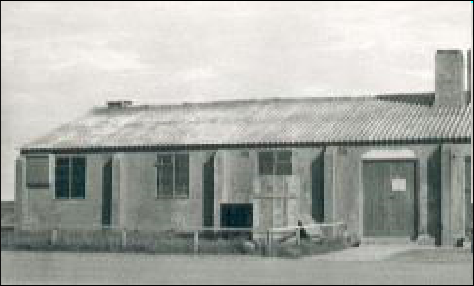
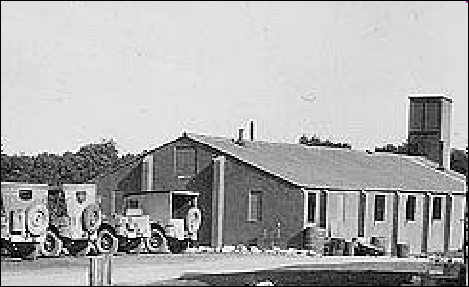
Other technical accommodation was mainly in the form of temporary brick construction with hard red bricks supplied from the Wellington Brick Works. Similar to those at Dunkeswell below
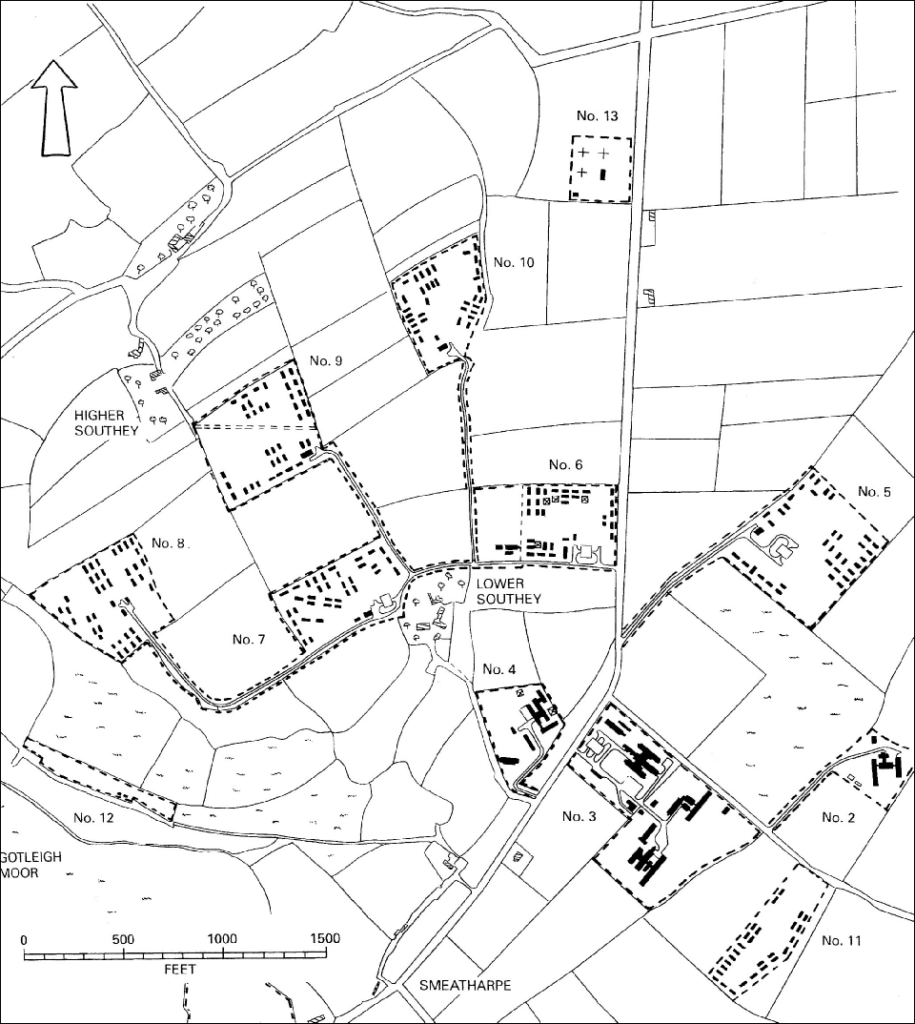
Below a plan of the 12 dispersed sites in addition to the Airfield. Hutted accommodation was provided for 2,504 personnel including 324 women at site, 11 who included nurses for the hospital at Site 2
The nearest town and railway station was Honiton, some six miles to the south, whilst Taunton lay nine miles away in the opposite direction.
Operational History
As the airfield reached an advanced stage of construction in the later part of 1943, temporary bases were being urgently sought as winter quarters for USAAF fighter units and Upottery was initially earmarked to house P47’s of the 373rd Fighter Group.
However this unit was, in due course, based at RAF Woodchurch in Kent and never flew from Upottery as this Airfield was closer to the coast of France.
Similarly Another proposal was that the 79th Fighter Group, again with P47s should be based at Upottery upon its transfer from Italy in March 1944, but in this case the unit stayed in the Mediterranean.
However upon completion, the new airfield was officially opened on 17th February 1944 under No. 70 Group, Air Defence of Great Britain (ADGB). Five days later it was transferred under the administration of RAF 10 Group ADGB, Fighter Command, and the US Ninth Air Force IX Fighter Command with the intention that it be used as one of the Airfields for the Air assault element of the Assault Element of the D Day Landings Operation Neptune – Mission Albany
As a a result the station became USAAF Station No.462 and was taken over by the 50th Wing, IX Troop Carrier Command. Which had been established to transport Troops and Supplies For the US army for the Allied airborne divisions in the European Theatre of Operations.
This wing was first established as the 50th Transport Wing, then activated on 14 January 1941. In July 1942 it became the 50th Troop Carrier Wing and was a major training organization for I Troop Carrier Command until 1943, training subordinate units in the United States prior to overseas deployment.
The primary aircraft of IX TCC was the C-47 Skytrain and its variant, the C-53 Skytrooper with CG-4A Waco, pronounced War- Co and British Horsa Gliders
The 50th Wing was the smallest of the three wings which made up the Ninth Air Force’s airborne fleet, Having arrived in the UK during February and March, the four Groups worked up at bases in the Midlands before transferring to their West Country airfields at Upottery, Exeter, Merryfield and Weston Zoyland for operations.
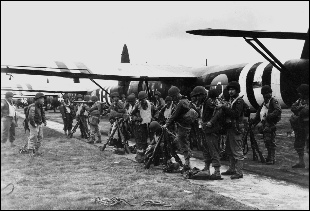
So it was the 439th Troop Carrier Group came to Upottery, and on 26th April 1944 a seemingly endless stream of olive drab C47/Dakotas and gliders flew in from their former base at Balderton, in Nottinghamshire to continue their final training exercises for the major airborne assault on France.
439th Troop Carrier Group
The 439th Troop Carrier Group was part of the 50th Troop Carrier Wing which in itself was part of the 29 carrier groups of the 1st Troop Carrier command that in turn was part of the Ninth Troop carrier command that in turn was part of the Ninth Airforce. !
The 439th had been formed on the 14th May 1943 and activated on the 1st June of that year and was designated to transport paratroops as part of operation overlord , the group contained 4 squadrons, the 91st, 92nd, 93rd, and 94th, Each squadron had its own Code Letter Painted on the fuselage behind the cockpit in large yellow lettering so it could be easily identified
The 91st being (L4), the 92nd, being J8) , the 93rd (3B) and the 94th (D8).
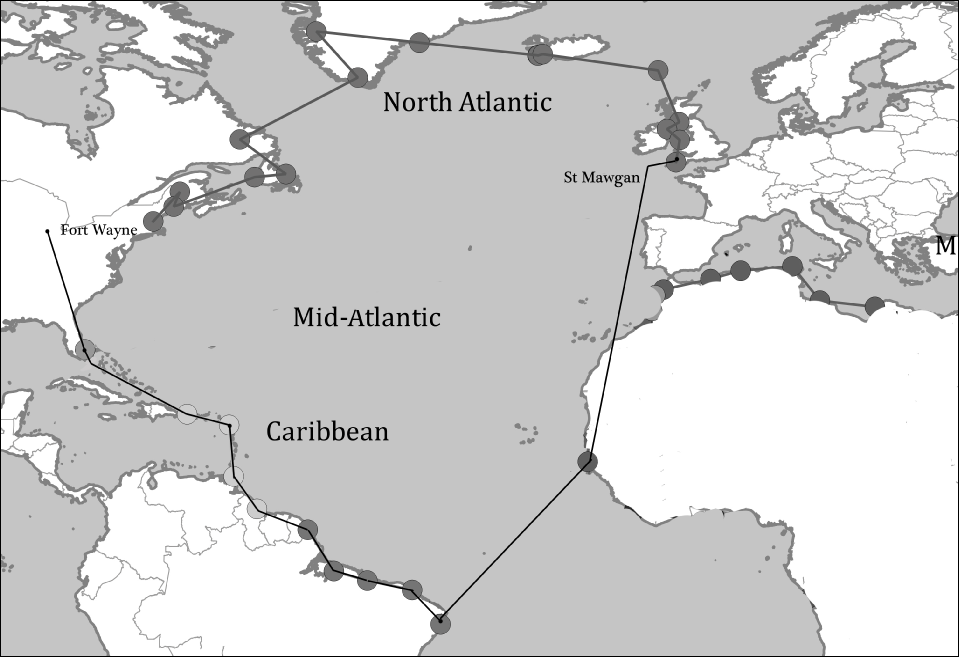
Prior to leaving the United States, Squadrons had been supplied with 52 new Douglas C47’s prior to their departure from Baer Field , Fort Wayne, Indiana to England on the 13th February 1944 and during the course of their stay in England this would be added to on an ongoing basis.
The Aircraft, then made their way to England following the Southern route, via Morrison field Palm beach Florida, then on to Puerto Rico, Natal, Brazil. Then across to Dakar in North Africa Then on to Spanish Morocco and then on to St Mawgan in Cornwall arriving on the 5th March 1944 taking some 20 days including delays caused by head winds and mechanical problems.
On march 6th The group finally took off for St Mawgan and headed to Balderton Airfield, 2 miles south of Newark on Trent Nottinghamshire.
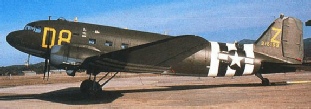
Douglas C-47A-80-DL Serial 43-15159 of the 94th Troop Carrier Squadron in Normandy Invasion Markings.
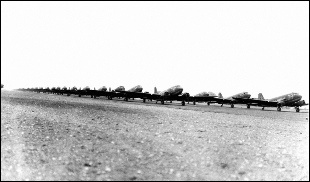
C47s line up at Upottery
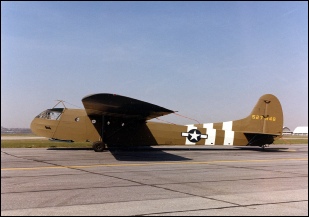
Above and below CG-4A Waco, pronounced war-co Glider
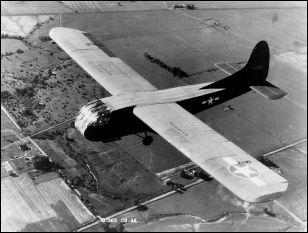
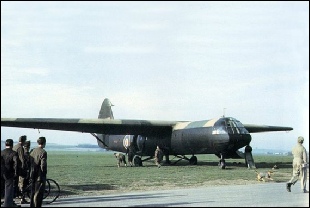
Above & below Horsa Glider
Ground crews and the groups administration crossed the Atlantic on the USAT George Washington in a 13 day crossing commencing in Boston, Massachusetts and docking in Liverpool. From There they took a train to Newark arriving on Saturday 11th March 1943 at 10am.
RAF Balderton
Balderton was known as USAAF Station AAF-
Its USAAF Station Code was “BD”. It’s World War II radio call sign was ‘Cheapride’. RAF Balderton was a former Royal Air Force station 2.0 miles (3.2) south of Newark-on-Trent,
Once at Balderton the 439th and its Squadrons began training with the emphasis on formation flying.
England was very much a shock to the officers and men with inadequate heating and poor messing facilities. Squadron surgeons struggling to deal with the men, most of whom, suffered colds and chills due to the lack of heating and dampness of the billets. Engineering also struggled to keep aircraft flying with spares and equipment impossible to obtain
Following preparations for D Day it wasn’t long before orders came to transfer to Upottery and on the 25th of April the 49th Service group was minus the B Team was flown down to prepare for the main echelon who would fly down The following day to prepare for their role in the D Day Landings.
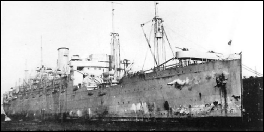
USAT George Washington in port during WW2
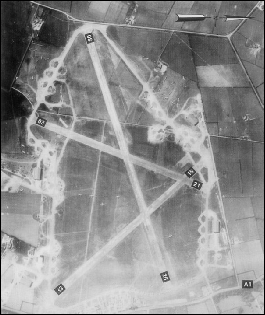
RAF Balderton
The 439th Arrive at Upottery
On April 26th 1944 the first operational unit of the 439th Troop Carrier Group arrived with four Squadrons equipped in total with 81 C-47 (Dakota) transport planes plus a similar number of gliders. Some of the construction work of the airfields services was still to be completed when the Americans arrived.
During May the four squadrons at the direction of their commanding officer Charles H Young trained intensively concentrating on quick assemblies and close quarter formations in readiness for their part on the D-Day missions, the 439th TCGp was one of three groups stationed in the South West of England on D-Day making up the 50th troop Carrier Wing, based at Redhayes House, the others included the 440th TCGp which was stationed at Exeter and the 441st TCGp at Merryfield near Ilminster.
A fourth group the 442nd TCGp was still up in Nottinghamshire so did not arrive in the south west until a few days after D-Day having operated on the same mission under the umbrella of the 52nd Troop Carrier Wing, they then moved onto Weston Zoyland air field near Bridgwater to rejoin the rest of the 50th Wing.
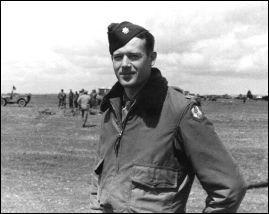
Col Charles H Young Commanding Officer of the 439th Troop Carrier Group
Operation Overlord and Operation Albany : The Normandy Landings
‘Operation Neptune’ was the codename for the Assault component of the invasion of France in June 1944. The complete invasion codename was ‘Operation Overlord’, and ‘Neptune’ was therefore phase one of a much bigger plan. Nevertheless, the task of safely landing 160,000 men with all of the supporting equipment was an operation on an unprecedented scale
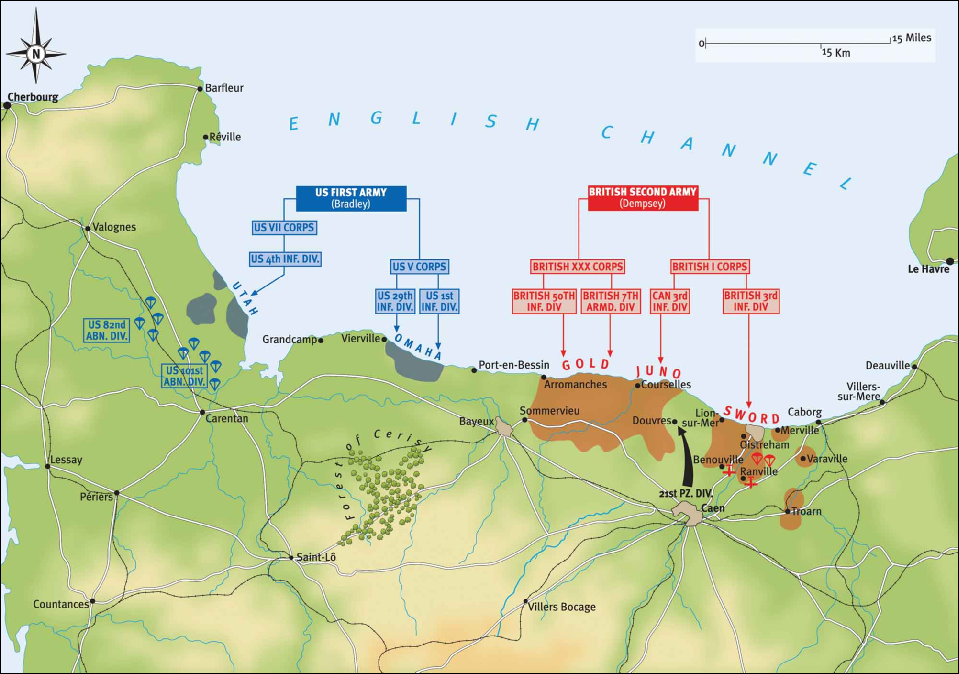
The operation, was planned by a team under the British Lieutenant-General Frederick Morgan, and was the largest amphibious invasion in world history executed by land, sea, and air elements under direct British command with over 160,000 troops landing on 6 June 1944. Of these, 73,000 were American troops, 61,715 British and 21,400 Canadian. To achieve the successful landings, 195,700 Allied naval and merchant navy personnel in over 5,000 ships were involved.
The invasion required the transport of soldiers and material from England by troop-laden aircraft, Operation Albany, and ships, the assault landings, air support, naval interdiction of the English Channel and naval fire-support. The landings took place along a 50-mile stretch of the Normandy coast divided into five sectors: Utah, Omaha, Gold, Juno, and Sword.
The First Mission of the 439th Troop carrier Group at Upottery was to take part in Operation Albany. The Air assault element of Neptune and drop 1357 paratroopers, of the US 101st 506TH parachute regiment in the early hours of the 6th June 1944 on the Contentin peninsula using 81 C47 Aircraft.
6,928 paratroopers in total made their jumps from 443 C-47 Skytrain troop carrier planes into an intended objective area of roughly 15 square miles (39 km2) located in the southeast corner of the Cotentin Peninsula of France five hours ahead of the D-Day landings.
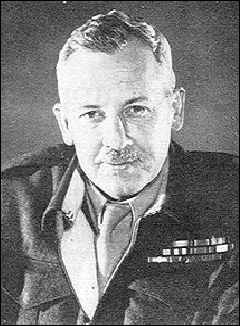
Lieut-General Frederick Morgan,
Operation Albany
This operation was a parachute combat assault at night by the U.S. 101st Airborne Division in the early hours of June 6, 1944. The paratroopers made their jumps into an area of roughly 15 square miles (39 km2) located in the southeast corner of the Cotentin Peninsula of France five hours ahead of the D-Day landings behind Utah Beach.
The 101st Airborne division’s objectives were to secure the Four Causeway exits behind Utah Beach, destroy a German coastal artillery battery at Saint-Martin-de-Varreville, capture buildings nearby at Mésières believed to be used as barracks and a command post for the artillery battery, capture the Douve River lock at la Barquette (opposite Carentan), capture two foot bridges spanning the Douve at la Porte opposite Brévands, destroy the highway bridges over the Douve at Sainte-Come-du-Mont, and secure the Douve River valley.
The 439th’s role was to drop the 1st & 2nd Battalions numbering 1357 men on Drop Zone ( DZ) C In the second wave following the initial drop by the 436th based at Membury in Wiltshire in Drop zone A. Drop zone B had been omitted from the Plan on the 26th May and had originally been allocated to Colonel Howard R. Johnson’s 501st Parachute Infantry before changes to the original landing plan on 27 May deleted this Drop Zone from the mission.
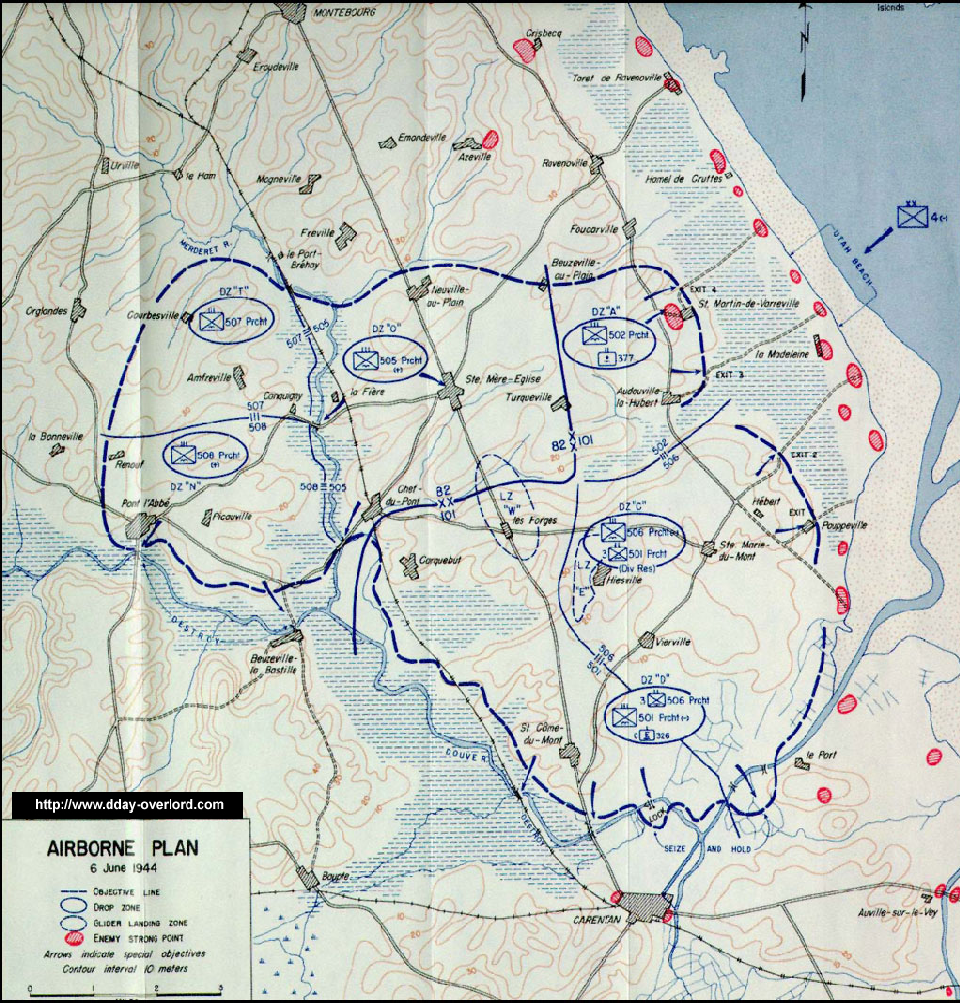
Drop Zone C – Those dropped by the 439TH From Upottery
The second wave, which also included 3rd Battalion of the 501st PIR Div HQ dropped by 435th TCG from RAF Welford, was assigned to drop the 506th PIR on Drop Zone C one mile (1.6 km) west of Sainte Marie-du-Mont,
However as the first section of 45 C47s flew in at 1500 feet led by Lt Col Charles Young the Aircraft hit a dense cloud bank covering the Peninsula.
Thinking quickly, Young decided to take the Aircraft above the cloud hoping to break out on top so he could keep his formation together a little while later, as he had gambled, gaps appeared in the cloud and he descended to 700 ft , Halfway across the peninsula he recognised the road from Les Forges to Ste – Marie du mont. As a result he and his group made a a virtually perfect drop right on the drop Zone.
However his number two Major Harry Tower leading the second group of 36 C47s ran directly into the cloud bank which had covered the whole of the Cotentin peninsula and was badly dispersed by the clouds, then they were subjected to intense antiaircraft fire for ten miles (16 km).
As a result three of the 81 C47s were lost before or during the jump. One, piloted by First Lieutenant Marvin F. Muir of the 439th Troop Carrier Group, caught fire. Muir held the aircraft steady while the men jumped, then died when the plane crashed immediately afterward, for which he was awarded the Distinguished Service Cross. Despite the opposition, the 506th’s 1st Battalion (the original division reserve) was dropped accurately on DZ C, landing 2/3 of its sticks and the 506th’s regimental commander, Colonel Robert Sink, on or within a mile of the drop zone.
The 2nd Battalion, much of which had jumped too far west near Sainte Mère Église, eventually assembled near Foucarville at the northern edge of the 101st Airborne Division’s objective area. It fought its way to the hamlet of le Chemin near the Houdienville causeway by mid-afternoon, but found that the 4th Division had already seized the exit hours before. The 3rd Battalion of the 501st PIR, also assigned to jump onto DZ C, was more scattered, but took over the mission of securing the exits.
An ad hoc company-sized team that included the division commander, Major General Maxwell D. Taylor, reached the Pouppeville exit at 0600. After a six-hour house-clearing battle with elements of the German 1058th Grenadier Regiment, the group secured the exit shortly before 4th Division troops arrived to link up.
For more information on this mission See Mission Albany Section Link
Operation Hackensack
Following the return to Upottery the 439th then made arrangements to commence Operation Hackensack on the 7th June
Mission Hackensack was one of several follow up landing and supply operations flown during the invasion. Although the 439th flew most of them from Ramsbury or Greenham Common, in Wiltshire as these Airfields were nearer to the French Drop zones. However Hackensack was the final glider assault of Operation Neptune into France that delivered the 325th Glider Infantry Regiment (GIR) to the 82nd Airborne Division shortly after daybreak on June 7.
The units in charge of the Landing Series 37 were the 439th Group out of Upottery Airfield and the 441st Troup Carrier Group out of Merryfield Airfield. The lead serial was scheduled to take off at 0630 from Upottery Airfield and to land at Landing Zone W (LZW) near the town of Sainte Mere-Eglise, France.
Twenty Waco CG-4A gliders and thirty AS.51 Horsa gliders towed by fifty planes carrying the 2nd Battalion 325th Glider Infantry Regiment (GIR), most of the 2nd Battalion of the 401st GIR, which was attached to the 325th and acted as its 3rd battalion. The Horsas carried over 800 of the 968 troops supplied, five vehicles, eleven tons of ammunition and ten tons of miscellaneous supplies.
The second serial glider was scheduled to take off at 0700 from Merryfield in Somerset, England. It was also scheduled to land at Landing Zone W (LZW), at 0900. Another fifty planes and fifty Waco gliders were by the 441st Troop Carrier Group. They carried 363 troops, including pilots and co-pilots (mostly service personnel of the 325th and 401st), and eighteen tons of equipment. This included twenty jeeps, nine trailers, six tons of ammunition and twelve 81mm mortars
At approximately 0900, the 325th Glider Infantry landed in Drop Zone (DZ) W near Sainte Mere-Eglise . All of the second Battalion and most of the 325th’s 3rd Battalion were dispersed into four separate fields, with releases made from about 600 feet. Although these landings were somewhat scattered, however most made it to the Les Forges area.
After this mission the Group received a Distinguished Unit Citation
Following this and success of the landings, activity at the airfield began to be reduced as the battle for Normandy moved further East.
As a result on June 24th, 75 C47s were sent to Ramsbury and Greenham Common only to find 5 were not need for the mission which was the supply of ammunition to Airfields in France and following this they then returned to Upottery with stretchers and wounded men after which the Group was put on standby with little to do.
Below is a link to a film made by the US Army Airforce’s Combat film unit that covers both Missions called DZ Normandy
For more information on these missions and D-Day do visit this fantastic website
However On the 18th July, the 91st, 92nd and 94th Squadrons ) flew to Orbitello in Italy and spent most of August on detachment taking part in Operation Dragoon, this was the invasion of Southern France. The 93rd meanwhile remained in England and spent part of August flying on transport duties elsewhere, firstly from Ramsbury and later from Membury.
When the 3 Squadrons returned to Devon from Italy on 24th August, the next major airborne operations aimed at the Nijmegen / Amhem bridges was at an advanced stage of preparation and it was clear that Upottery was situated too far west for operations over Holland.
So on the 31st Of August the C47s left on yet another detachment, this time to their old base at Balderton, near Newark, which lay almost a hundred miles nearer to the proposed dropping zones. Plans were changing rapidly, however, and it was soon decided to transfer the whole Group to France and on 8th September the 439th finally left Upottery for Juvincourt.
US Navy
A few Ninth Air Force personnel remained in occupation, but the administration of the vacant airfield was now taken over, firstly by RAF at Culmhead and then from 1st October by RAF Weston Zoyland. This was a time when the runways at the adjacent US Navy airfield at Dunkeswell were in urgent need of repair, and on 7th November flying control was reopened at Upottery to permit the Navy Liberators to fly their anti-submarine patrols from here instead on a temporary basis. for Two weeks
The Royal Navy also made a brief appearance on the 18th November when the Grumman Avenger II’s of the newly re-equipped No 820 Fleet Air Arm commanded by Lt SP Luke RN spent three days at Upottery prior to embarking on HMS “Indefatigable” on 21st immediately before sailing to Ceylon in the Far East.
In mid December a Company of US Battalion Engineers arrived and pulled up the PSP metal tracking which had been used to form glider marshalling extensions at the two ends of the main runway. As the front line moved forward this was now more urgently needed to form temporary runways at Advanced Landing Grounds on the Continent.
No sooner was Dunkeswell fit for operations again then it was decided to transfer two more US Navy Liberator squadrons to England from In January 1945. With Us Navy Liberator Squadron VPB 107 being transferred from Natal, Brazil on the 7th January 1945 and a week Later VPB 112 transferring rom Morocco and Upottery became a satellite Fleet Air Wing 7 Naval Air Facility Air Group 2 and re named the Airfield USN. Satellite Airfield Upottery
The two new units were required to form part of the patrol force which was covering the Western Approaches and hunting down German submarines. They commenced operations on 15th February following very bad weather and very soon up to six patrols were being dispatched each day, using Upottery or Dunkeswell as required. The patrols were highly monotonous and were only rarely rewarded by a U-boat sighting.
On the afternoon of the 27th February, however, aircraft H of VPB 112 flown by Lt O B Dennison began investigating a moving oil slick 112 miles off the Bishops Rock Light house and spotted a periscope and took action in collaboration with surface war- ships which resulted in the sinking of U-327 in the English Channel.
On 5th March Liberator T/107 co-operated with an RAF Sunderland flying boat in hunting a U-boat in the Irish Sea, but nothing was found and the search was taken over by a naval escort group.
Attacks were made without result on 18th March and 22nd April but the savage submarine threat of two years before was now so greatly diminished that no really satisfactory opportunities presented themselves to the Upottery squadrons – very disappointing for the crews but overall a highly satisfactory situation!
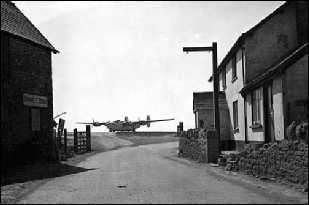
A PB4Y 1 at Upottery
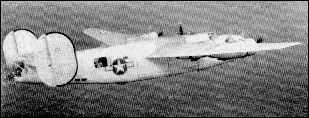
A PB4Y 1 from VPB 112 based at Upottery
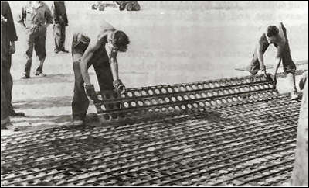
Laying Pierced Steel Planking ( PSP) Not Upottery
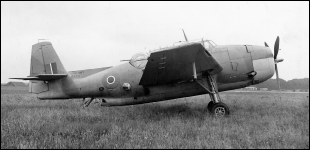
Z574, an Avenger Mk.II of the Royal Navy’s Fleet Air Arm at Boscombe down
When VE Day came, patrols did not cease as might have been expected but continued until 15th May, since it was still necessary to ensure that all enemy submarines surrendered and were not used as a means of escape by the survivors of the Nazi leadership
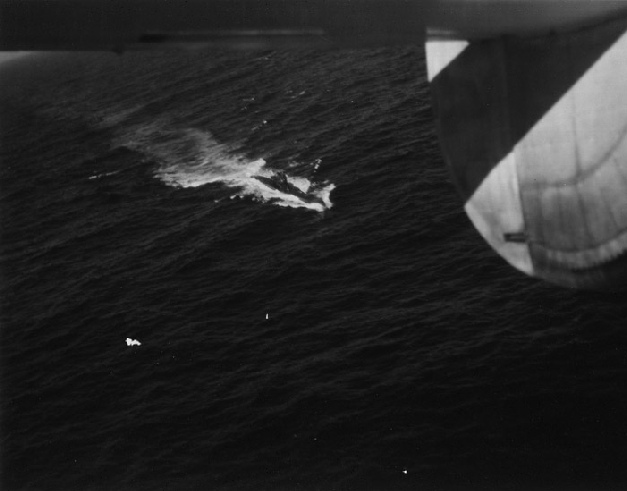
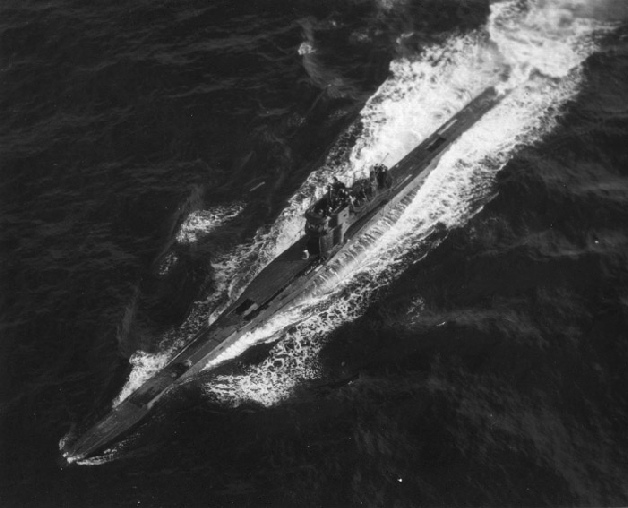
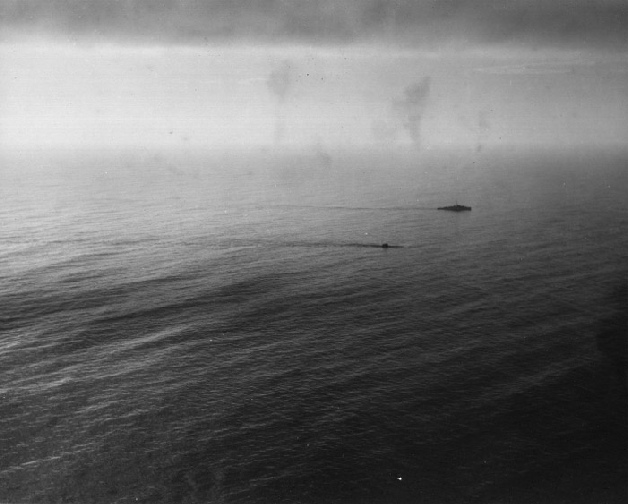
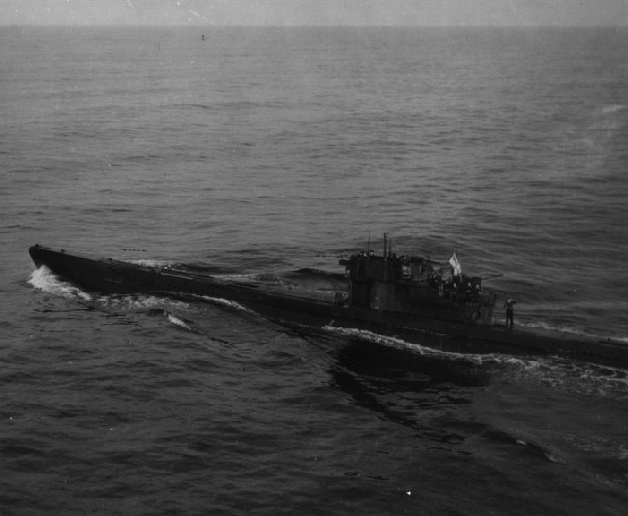
On the 9th May VPB 112 took the Surrender of U boat 249, that had left Norway and operated off the western entrance to the English Channel. When she received the surrender order she surfaced and flew a black flag. The boat was located off the Scillies by LT F.L. Schaum on 8 May. HMS Amethyst and Magpie met the boat and escorted her to Portland Bight on 10th May. a day later they took the surrender of U825
Below pictures of U249 taken from Lt Schaum’s Aircraft Note last Picture with the Royal Navy’s White Ensign being flown
The End and Post War
It was now only just over a year since flying had commenced at this airfield, although the pressure of events had made it seem a great deal longer. Soon, however, the last aircraft flew out with the departure of the USN squadrons in June.
The following month the RAF once again took over when the station was transferred to No. 57 Wing of No. 40 Group, Maintenance Command, becoming a sub-site of No. 265 Maintenance Unit. The RAF remained in occupation for another three years but it was only to use the vacant airfield as a war surplus storage area.
Finally in November 1948 the RAF withdrew and the site was returned to agriculture, but was not declared surplus to requirements until 1957.
Preparations for site disposal were not started until 1st December 1960. At this date the two hangars were removed, one of them by the Administrative Area becoming a ten-pin bowling alley in Liverpool.
One interesting feature at Upottery was a Searchlight Detachment operating between Site No. 5 and the HF ” Transmitting Site. This was for searchlight homing so that aircraft returning at night could find their way to either Culmhead or Upottery airfields. The system consisted of the following:
A searchlight beam was exposed horizontally for 30 seconds in the direction of the selected airfield. In order to catch the pilot’s attention the beam was elevated to 45 degrees and depressed again three times in succession.
Finally the beam was left horizontal for a further 30 seconds. The complete sequence was repeated until the air- craft flew in the correct direction, when the beam was kept on as a horizontal pointer for two minutes.
TOURS
Tours of this Airfield are available through SWAHT See Airfield Tours & Talks Link
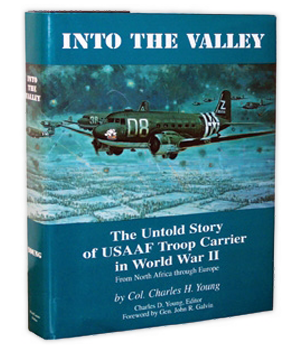
The Book “Into the Valley by Charles H Young
Copies of the book into the Valley from which many of the pictures are taken is available direct from the Authors Son Charles D Young based in the United States
Sources of information, Text & Photographs
-Blackdown Hills Airfield Survey 1995 – Author Paul Francis
-Into the Valley Charles H Young
USAF Historical Research Center Maxwell Airforce Base Albama
-Imperial War Museum
-Wikipedia
-rafupwood.co.uk/constructionbywimpeybyLes.html
-The Many Veterans who served at Upottery
-Charles D Young
-Brian Lane-Smith
-Robin Gilbert
-John Cornish